Table of Contents (9 sections)
Understanding Budget Grocery Shopping
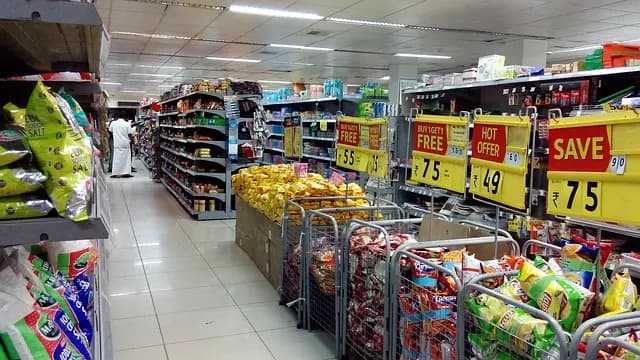
Budget grocery shopping means maximizing every dollar spent on groceries without sacrificing quality or nutrition. Inflation and variable market conditions have pushed many households to explore budget strategies. According to Statista, the average household spends about 12% of its income on food. Understanding where every cent goes can help you make informed decisions. Consider shopping at discount stores, which can offer savings on bulk items. A survey by Nielsen found that households which followed planned shopping lists saved roughly 25% of monthly grocery expenses.
💡 Avis d'expert: A planned approach eliminates impulse buying and focuses on needs over wants, ultimately leading to financial benefits.
Steps to Smart Savings
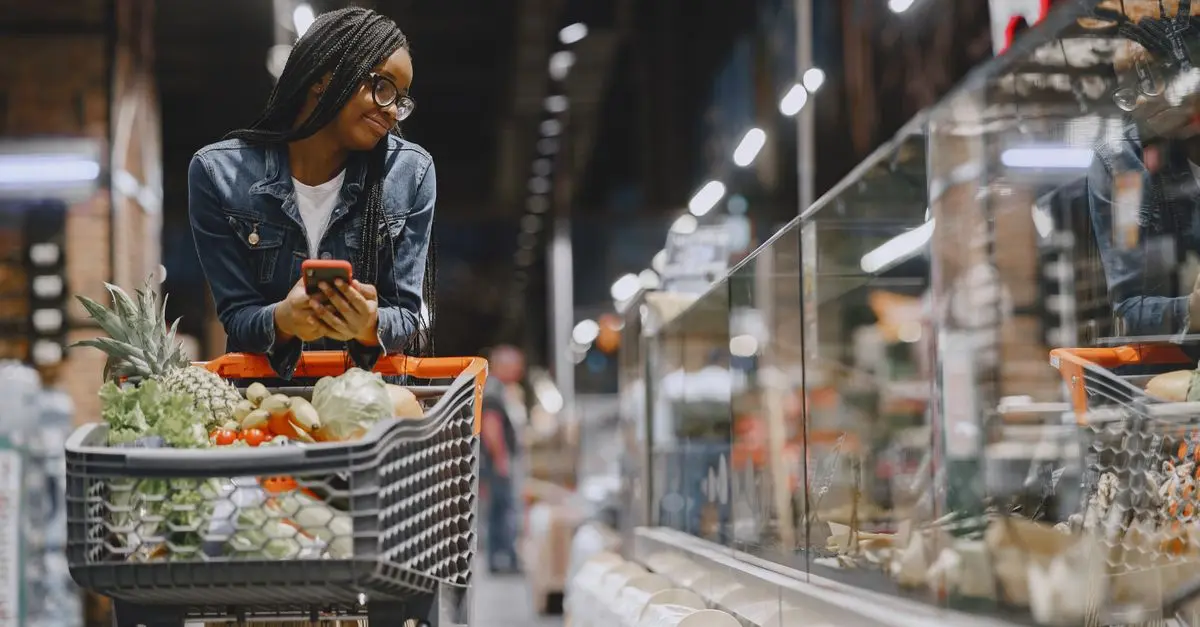
Planning is the foundation of effective grocery shopping. Start with a comprehensive list, prioritize essentials, and stick to your plan. Here are actionable steps:
- Inventory Check: Start by assessing what you have. It prevents duplication and waste, reducing your expenses.
- Meal Planning: Plan meals around sales and seasonal produce. USDA data indicates that seasonal fruits and vegetables can be 25% cheaper.
- Coupons and Apps: Leverage technology by using grocery apps like Ibotta for cashback and Honey for coupon scouring. These apps offer personalized deals and discounts.
📺 For further learning: Exploring Grocery Apps for Maximum Savings, a guide on top-rated grocery shopping apps. Search on YouTube: grocery apps savings 2026.
Analyzing Cost Differences
In 2026, price differences can be stark depending on the store. It's essential to compare prices for better choices. Here's a detailed comparison:
| Item | Discount Store | Local Grocery | Organic Market | Verdict |
|---|---|---|---|---|
| Milk (gallon) | $3.99 | $4.50 | $5.75 | Buy at Discount Store |
| Bread (loaf) | $1.50 | $2.00 | $3.25 | Discount Store wins |
| Chicken (lb) | $1.99 | $2.99 | $4.99 | Best at Local Grocery |
| Apples (lb) | $0.99 | $1.25 | $2.50 | Discount Store wins |
Top Tips for 2026
Adapting to 2026 trends involves embracing digital solutions and understanding environmental impacts. Artificial intelligence now offers prediction models; apps like Too Good To Go help consumers purchase nearing-expiration products at discounted rates. Moreover, buying in bulk remains cost-effective. Amazon Fresh and Costco are leaders in this domain, offering savings for bulk purchases.
🧠 Quick Quiz: Is it cheaper to buy perishable goods in bulk?
- A) Yes, always
- B) No, it leads to waste
- C) Depends on your storage capabilities
Answer: C — Adequate storage can make bulk buying economical.
Expert Insight
> 💡 Avis d'expert: "Grocery shopping has largely transitioned online. Utilizing delivery services like Instacart can reduce travel costs and time, allowing you to focus on budget-friendly options curated for you."
- How can I save money on groceries without compromising health?
By focusing on a balanced diet using seasonal produce and substituting proteins with legumes or lentils.
- Are branded items always a better choice?
Not necessarily. Store brands often provide the same quality at reduced prices.
- What is the benefit of meal planning?
It minimizes waste and ensures purchasing only what is necessary.
- How do I prevent impulse buys?
Always shop with a list and avoid shopping on an empty stomach.
Glossary
| Term | Definition |
|---|---|
| Inflation | A general increase in prices, decreasing purchasing power. |
| Impulse Buying | Unplanned purchases often triggered by emotions. |
| Bulk Buying | Purchasing large quantities to reduce the per-unit cost. |
Checklist for Effective Shopping
- [ ] Review weekly ads and plan meals accordingly.
- [ ] Utilize apps and digital coupons before shopping.
- [ ] Compare prices at local stores and online.
- [ ] Stick to your list and avoid distractions.
- [ ] Choose seasonal and local produce for added savings.