Table of Contents (9 sections)
Fashion is more than just clothing; it reflects personal style, identity, and economic status. As we navigate through 2026, understanding the difference between budget and luxury fashion is essential. In this article, we will explore trendy shopping tips and deals available in both segments, helping you decide where to invest your money.
Understanding Fashion Segments
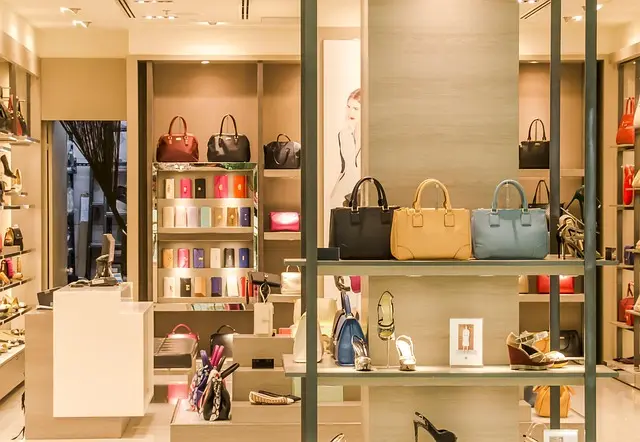
Budget fashion refers to clothing items that are affordable and often mass-produced. Companies such as H&M, Forever 21, and Zara are key players in this arena, providing trendy options at lower prices. Luxury fashion, on the other hand, comprises high-end brands like Gucci, Prada, and Chanel, which prioritize craftsmanship, exclusivity, and premium materials.
The primary appeal of budget fashion lies in its accessibility; you can refresh your wardrobe regularly without significant financial strain. In contrast, luxury fashion attracts buyers seeking prestige and uniqueness, often accompanied by a hefty price tag. When considering value, it's crucial to weigh factors like durability, style longevity, and overall experience.
Pros and Cons of Budget and Luxury Fashion
To evaluate which option offers more value, let's break down the strengths and weaknesses of both categories. Here's a detailed comparison:
| Criteria | Budget Fashion | Luxury Fashion | Verdict |
|---|---|---|---|
| Price | Affordable, allowing for frequent purchases | High prices, one-time investment | Budget is better for trends; luxury for timeless pieces |
| Quality | Varies; often lower durability | High-quality craftsmanship | Luxury wins on durability |
| Style Variety | Extensive trend offerings | Limited, more classic aesthetics | Budget offers varied styles |
| Brand Reputation | Less prestige | High prestige and exclusivity | Luxury brands carry more weight |
Luxury brands, however, charge premium prices often ranging from a few hundred to thousands of dollars. For example, a Prada handbag might cost $2,000 or more, which can be a significant investment. Yet, this higher price tag often represents quality, exclusivity, and a statement of status. Many luxury items can retain their value over time, or even appreciate, making them worthwhile investments in some cases.
Quality
When it comes to quality, luxury fashion typically prevails. High-end brands devote significant resources to sourcing superior materials and executing detailed craftsmanship. For instance, Chanel is known for its meticulous attention to detail, ensuring that each piece is not only fashionable but also built to last. This high durability means that a luxury piece can be worn across several seasons and remain in style.
In contrast, budget brands may prioritize rapid production to capitalize on trends, often compromising quality. An H&M shirt, for example, might start as a stylish choice, but may not withstand numerous washes, losing its shape and color quickly. In this category, the longevity and performance of the garment can lead to more frequent replacements.
The Fashion Experience: More than Just Clothes
Shopping for fashion transcends mere purchases; it is an experience steeped in emotional connections. Luxury shopping involves exclusive customer service, captivating store environments, and personalized attention that budget brands often lack. Engaging with luxury fashion may feel rewarding due to the status associated with owning high-end pieces. Additionally, luxury brands frequently offer a sense of belonging to an elite group, which is sometimes appealing to consumers.
However, budget shopping can be a more fun, carefree experience. Many consumers enjoy the thrill of hunting for deals or finds while shopping in popular stores like Target. Instant gratification can accompany leaving a store with an armful of trendy pieces without a significant financial impact.
Conclusion: Who Should Buy What?
The final decision revolves around individual preferences and lifestyle needs. For trendsetters who prefer variety and accessibility, budget fashion may be the best choice. Conversely, for those valuing quality, craftsmanship, and prestige, investing in luxury items may yield better satisfaction in the long run. In crafting a successful fashion strategy, it’s essential to mix pieces from both categories, utilizing trendy shopping tips and deals effectively.
💡 Expert Opinions
> 💡 Expert Opinion: Many fashion stylists suggest that a balanced wardrobe combines both budget and luxury items. Investing in a few high-quality pieces alongside trendy, affordable items can create a versatile, stylish closet.
📺 For More Insights: Find the best shopping hacks for budget and luxury fashion. Search on YouTube: how to choose luxury fashion items vs budget.
Glossary
| Term | Definition |
|---|---|
| Fast Fashion | Trend-driven clothing produced quickly and affordably. |
| Luxury Fashion | High-end brands known for quality and exclusivity. |
| Wardrobe Capsule| A curated selection of versatile clothing pieces that complement each other.
Checklist Before Shopping
- [ ] Define your style preferences.
- [ ] Determine your budget.
- [ ] Research trendy shopping tips.
- [ ] Make a list of essential clothing items.
- [ ] Explore both budget and luxury options.
🧠 Quick Quiz: Which fashion segment are you more likely to invest in?
- A) Budget Fashion
- B) Luxury Fashion
- C) Both
Answer: C — Mixing both offers a diverse wardrobe experience while maintaining your unique style.
📺 Pour aller plus loin : how to choose luxury fashion items vs budget sur YouTube