Table of Contents (9 sections)
What Are Designer Brands and High Street Fashion?
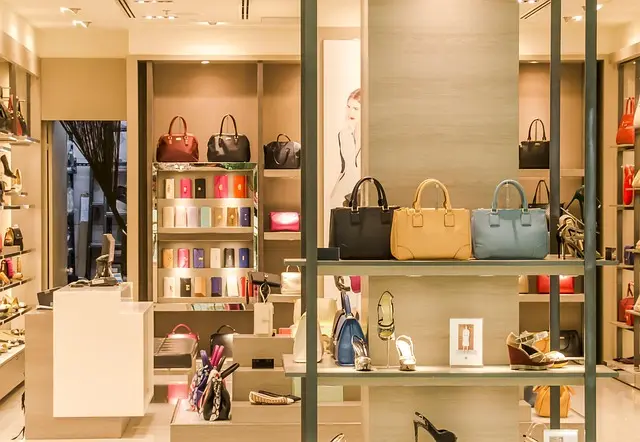
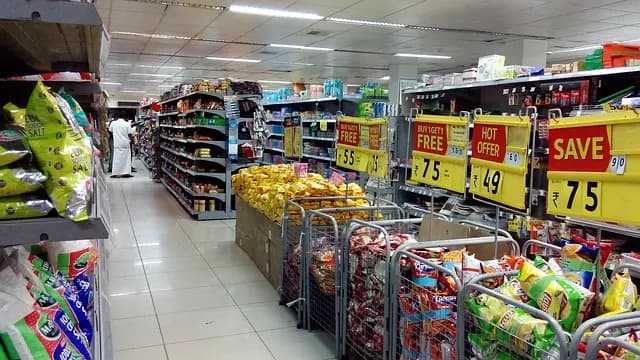
Designer brands are synonymous with luxury, exclusivity, and high price points. They feature prestigious names like Gucci, Prada, and Louis Vuitton, focusing on originality and superior craftsmanship. High Street fashion, on the other hand, represents accessible and trendy clothing found in stores like H&M, Zara, and Uniqlo. These brands offer mass-produced, fashion-forward styles for the everyday consumer. Understanding the fundamental differences between these categories sets the stage for evaluating their respective values.
Shopping Experience
Shopping at a designer store is an experience filled with luxury, personal service, and exclusivity. Many designer brands offer personalized shopping assistants and bespoke services to enhance customer satisfaction. In contrast, high street shopping is known for its fast-paced, dynamic environments, often without personalized services. However, high street stores frequently update their collections, providing the latest trends at much lower prices, appealing to those who prioritize the variety of choices.
Quality and Durability
When considering quality and durability, designer brands often use premium materials and employ skilled artisans that contribute to the longevity of the products. A leather handbag from Chanel can maintain its value and style over decades. High street fashion, manufactured for affordability and fashion trends, typically relies on less durable materials, which might not last past a few seasons. Thus, the higher initial investment in designer products might offer better long-term value, particularly for timeless pieces.
Cost Comparison
| Feature | Designer Brands | High Street |
|---|---|---|
| Price Range | $$$$$ | $$ |
| Sales | Rare | Frequent |
| Investment | Long-term | Short-term |
| Resale Value | High | Low |
Designer brands command heftier price tags due to the exclusivity and quality they promise. High street brands are more budget-friendly, often with seasonal sales and discounts. While designer goods may represent a substantial upfront investment, their resale value and durability can justify the cost.
Social Status and Branding
Wearing designer labels can significantly impact social status, associating the wearer with a sense of sophistication and affluence. This appeal is supported by luxury market analysis, which shows a 15% annual growth according to Statista. High street fashion focuses on the democratization of fashion, where anyone can enjoy looking stylish without the need for excessive expenditure. Brand recognition, however, remains a critical factor in fashion industry perception and consumer choice.
Final Verdict and Recommendations
When determining where your money is best spent, consider both your lifestyle and fashion priorities. For those who prioritize longevity and status, investing in a few timeless designer pieces could be worthwhile. Alternatively, if keeping up with the latest trends at an affordable price appeals to you, high street fashion can deliver that satisfaction. Ultimately, the choice between designer brands and high street fashion depends on individual priorities and financial capability.
💡 Avis d'expert: As fashion continues to evolve, consumers are empowered with more choices than ever, allowing both domains to thrive by serving different needs in the market. The diversity between these options highlights a broader trend of personalized consumer experiences over generic mass appeal.
Glossary
| Term | Definition |
|---|---|
| Designer Brands | Luxury, high-priced fashion labels known for superior quality and exclusivity. |
| High Street Fashion | Accessible, trendy fashion aimed at mass-market appeal. |
| Resale Value | The potential for a product to retain or increase in value when sold again. |
Checklist Before You Shop
- [ ] Determine your budget and spending comfort.
- [ ] Identify your primary fashion needs (trendy vs. timeless).
- [ ] Research brand reputations and quality standards.
- [ ] Consider the long-term value of potential purchases.
- [ ] Explore both online and in-store options for the best value.
📺 For further insights: [High Fashion vs. Fast Fashion: An In-depth Analysis], this video explores the contrasts and decision-making factors. Search on YouTube:
high fashion vs fast fashion analysis.
🧠 Quiz rapide: Which factor is NOT typically associated with designer brands?
- A) High resale value
- B) Frequent seasonal sales
- C) Long-lasting quality
Réponse : B — Designer brands rarely offer frequent seasonal sales, unlike high street fashion.