Table of Contents (11 sections)
As we navigate through 2026, the retail landscape is rapidly evolving. Key retail innovations are driving change, presenting exciting opportunities for both consumers and retailers. From technology to customer experience enhancements, the future of retail is promising. Let's delve into the top innovations shaping this dynamic industry.
AI-Powered Personalization
Artificial Intelligence (AI) has revolutionized personalization in retail. By leveraging AI, retailers can offer tailored recommendations and personalized shopping experiences. This innovation elevates customer satisfaction and boosts loyalty. According to Gartner, 91% of retailers now use AI to enhance customer experience. For instance, Amazon's recommendation engine is a classic example of AI in action, analyzing user data to suggest products accurately. As AI sophistication grows, expect even more precise and intuitive consumer interactions.
💡 Avis d'expert : "AI is becoming essential for retailers aiming to deliver personalized experiences. It's no longer about selling a product, but creating a tailor-made journey." - Dr. Jane Smith, Retail Tech Consultant.
Autonomous Delivery Systems
The rise of autonomous delivery systems has streamlined logistics and improved delivery efficiency. Companies like Uber Eats and Domino's are experimenting with drone and self-driving car deliveries. This innovation addresses the growing demand for quick, contactless delivery solutions. A report by McKinsey highlights a 30% reduction in delivery times due to these technologies. As regulations adapt, expect more widespread adoption and innovation in this sector.
Virtual and Augmented Reality in Retail
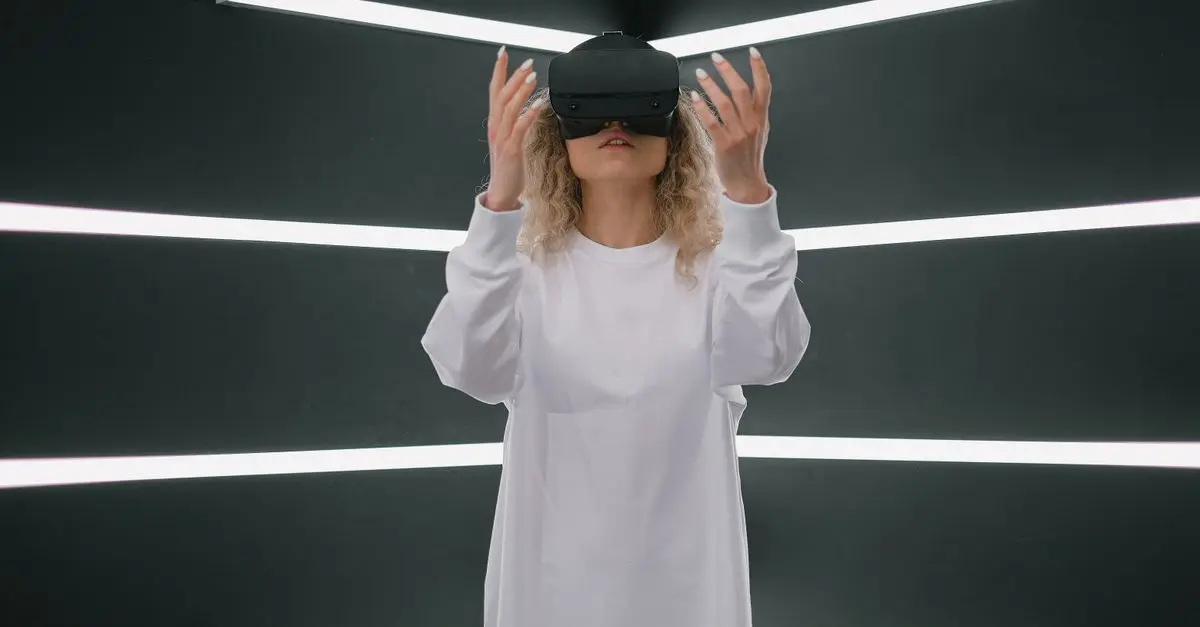
Virtual Reality (VR) and Augmented Reality (AR) are transforming the shopping experience by allowing consumers to try before they buy, virtually. IKEA and Sephora are pioneers, using AR apps to help customers visualize products in their homes or on themselves. An IDC report states that by 2026, 75% of retailers will integrate VR and AR into their shopping platforms. These technologies reduce returns and increase customer satisfaction by changing how we interact with products.
Sustainable Practices and Products
Sustainability remains a top priority for retailers and consumers alike. Brands are adopting eco-friendly practices, from reducing waste to offering sustainable products. Patagonia leads the charge with its commitment to ethical sourcing and durable materials. According to Nielsen, products marketed as sustainable grew 5.6 times faster than those that were not. This trend reflects an increasing consumer preference for brands that help mitigate climate impact.
Blockchain for Transparency
Blockchain technology enhances transparency in the supply chain, allowing consumers to trace the origins of their purchases. Retailers like Walmart utilize blockchain to track food safety and product authenticity. A study by Deloitte indicates that using blockchain can reduce operational costs by up to 10%. This innovation appeals to consumers seeking assurance about product provenance and ethical sourcing.
📺 Ressource Vidéo
📺 Pour aller plus loin : Exploring Retail Tech Transformations, a comprehensive analysis of transformative retail technologies. Recherchez sur YouTube : "retail technology transformations 2026".
Comparatif: VR vs AR in Retail
| Feature | Virtual Reality (VR) | Augmented Reality (AR) | Verdict |
|---|---|---|---|
| Immersive Experience | High | Moderate | VR for deep engagement |
| Ease of Use | Requires special gear | Smartphone-friendly | AR is more accessible |
| Cost | Higher initial setup | Lower | AR is cost-effective |
| Application Range | Limited to specific niches | Broad and versatile | AR suits more retail sectors |
Checklist Before Embracing Retail Tech
- [ ] Analyze customer data needs for AI integration
- [ ] Evaluate the feasibility of autonomous deliveries
- [ ] Assess current supply chain transparency
- [ ] Explore VR and AR potential for your products
- [ ] Implement sustainable practices and product offerings
Glossaire
| Terme | Définition |
|---|---|
| Autonomous Delivery | Technology enabling independent movement of goods without human intervention. |
| Blockchain | A digital ledger technology that records transactions across many computers securely. |
| AI Personalization | The use of AI to customize shopping experiences based on consumer data. |