Table of Contents (10 sections)
Secondhand stores shopping is more than just a way to save money; it's an adventure in discovering hidden treasures that offers both sustainable shopping options and unique finds. In 2026, with an increasing focus on eco-friendly choices and individual style, secondhand shopping has become more popular than ever. Knowing the right strategies can make your experience even more rewarding.
1. Understand the Value of Secondhand Shopping
Before diving in, it's important to understand why secondhand stores shopping is valuable. Sustainability is a key factor. Buying used items reduces demand for new products, saving resources and energy. According to Greenpeace, secondhand shopping can significantly lower your carbon footprint. Additionally, it supports local communities, as many thrift stores fund charitable causes.
Another advantage is the unique selection you won't find in typical retail stores. Each item has its own story, allowing shoppers to express their individuality. Moreover, there's the thrill of treasure hunting; you never know what rare vintage piece or designer item you'll find.
2. Research and Plan Ahead
Successful secondhand shopping requires some planning. Start by researching local stores, as locations can vary widely in size, selection, and quality. Look for shops known for specific categories that interest you—such as clothing, furniture, or books. Websites like Yelp and Google Reviews can provide useful insights and ratings from other shoppers.
Consider how often store inventories might change. Frequent new arrivals could mean more chances for great finds. Plan visits around these restocking times for the best selection. Joining store newsletters or social media pages can keep you updated on sales or special events.
3. Develop a Strategy Inside the Store
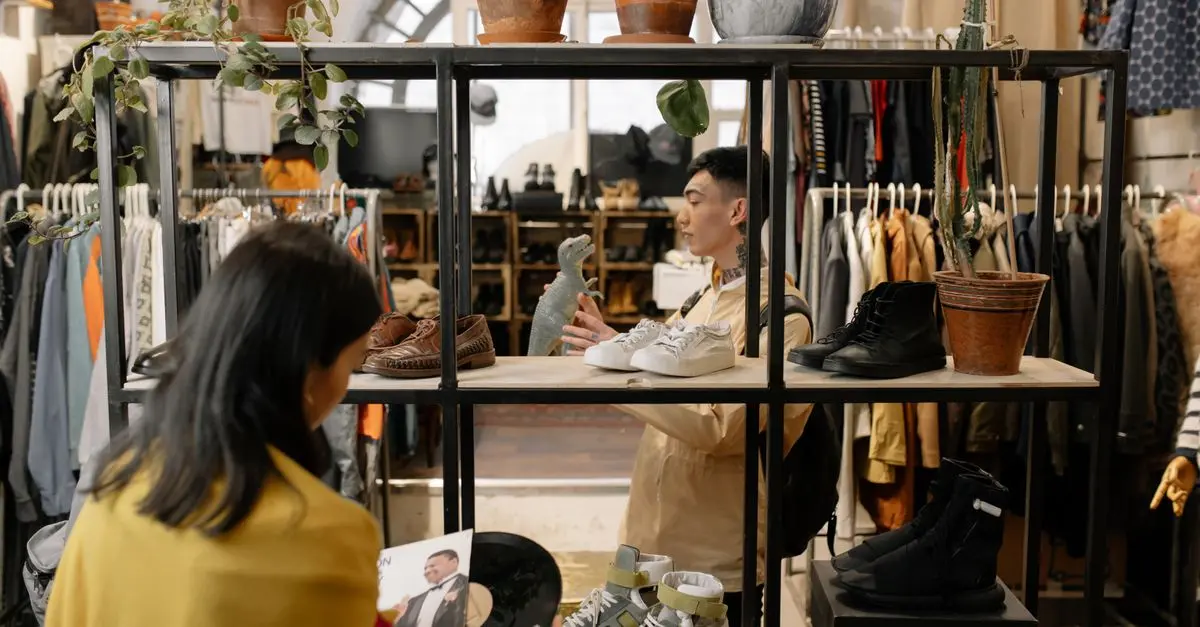
Once inside, it's important to have a systematic approach. Start by scoping out high-ticket areas first, like electronics or designer labels, which tend to sell quickly. Then, move to secondary areas. Bring a list of what you are looking for to avoid impulse purchases that don’t fit your needs.
A common mistake is overlooking the importance of checking item conditions carefully. Inspect each piece for damage or wear. Don't shy away from testing electronics or clothes for fit. Finally, be patient. Take your time exploring all corners of the store to avoid missing any hidden gems.
4. Navigating Pricing and Bargaining
Pricing at secondhand stores can be uneven. Some stores have set prices, while others might allow bargaining. Always be respectful and offer reasonable prices. If you believe an item's worth is overestimated, politely ask for a discount. However, understand that proceeds often support good causes.
Research current market rates for items you’re interested in. This knowledge can empower you to negotiate confidently. According to a survey by Consumer Reports, shoppers who bargained save an average of 15%.
5. Leverage Online Tools for Secondhand Deals
In recent years, online platforms have expanded the secondhand market. Websites and apps like eBay, Depop, and ThredUp offer diverse inventories from the comfort of your home. These sources provide access to national brands and international sellers, thereby widening your search scope.
Online settings allow for detailed search filters and saving criteria for return visits. Make sure to read seller reviews to avoid scams. The online community can provide a wealth of tips, from styling ideas to care instructions.
📺 Resource Video
📺 For further insights: “Expert Tips for Thrift Store Shopping”, an in-depth analysis of effective secondhand shopping strategies. Search on YouTube: “Secondhand shopping tips 2026”.
Conclusion
Secondhand stores shopping requires strategy but offers great rewards. Be it ecological impact, financial savings, or rare finds, the benefits are numerous. Take these tips as a guide to transform your thrifting adventure into an efficient and enjoyable experience.
Checklist avant achat
- [ ] Research local store ratings and reviews.
- [ ] Plan visits around restocking times.
- [ ] Prepare a wish list of items.
- [ ] Inspect all potential buys for quality.
- [ ] Practice respectful bargaining when appropriate.
Glossary
| Term | Definition |
|---|---|
| Thrift Store | A retail establishment selling secondhand goods, often to benefit charity. |
| Bargaining | The process of negotiation over pricing. |
| Carbon Footprint | The total amount of greenhouse gases generated by our actions. |