Table of Contents (12 sections)
Understand Your Shopping Goals
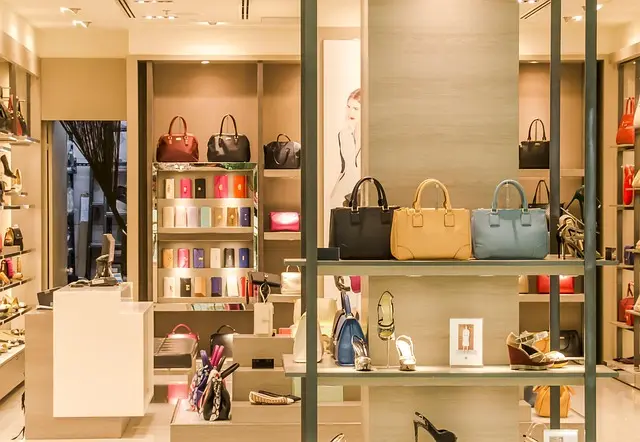
Planning a successful shopping trip begins with understanding your objectives. Are you looking for high-end fashion, local crafts, or tech gadgets? Identifying your preferences helps focus your itinerary. According to "Forbes", experiential shopping is on the rise, where physical stores act as showrooms to engage more deeply with products. Define whether your trip is for seasonal sales, unique local finds, or exclusive collection launches. Being clear on this aligns your shopping strategy with your travel necessities, avoiding overwhelming options and ensuring a targeted approach.
Research and List Top Destinations
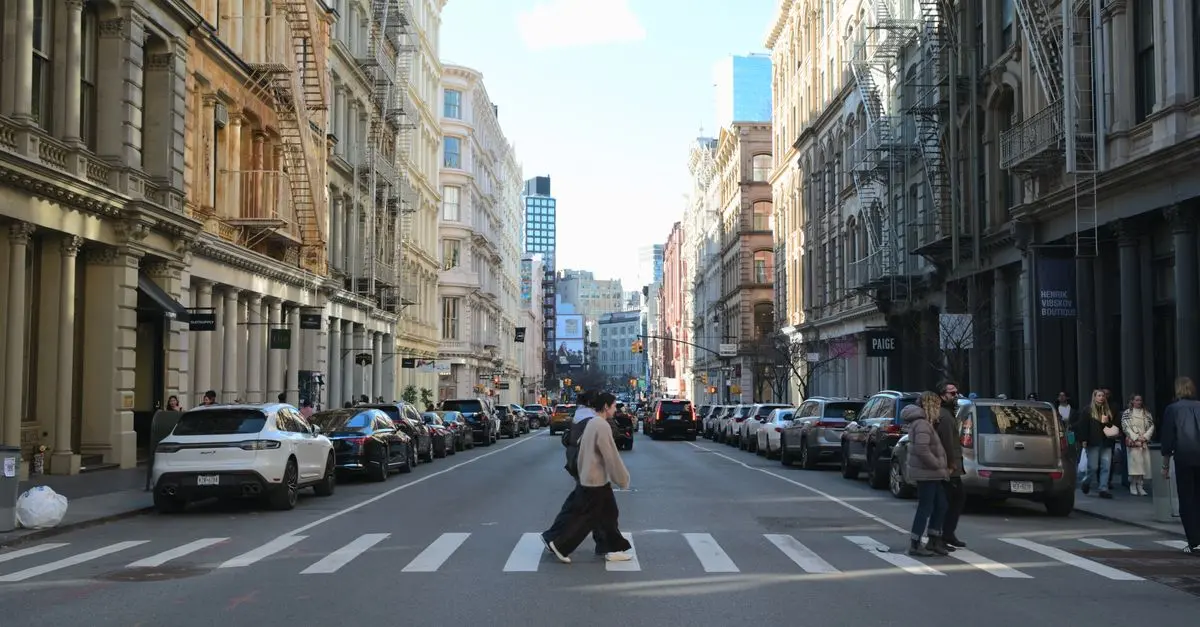
Researching places to visit provides clarity and maximizes your shopping experience. Use resources like "TripAdvisor" and "Yelp" to find top-rated shopping districts. For instance, areas like Orchard Road in Singapore or Fifth Avenue in New York are renowned retail havens. Look for places with a mix of luxury boutiques, local stores, and dining options. Compile a list that balances popular spots with insider recommendations, ensuring diverse experiences.
| Criterion | Orchard Road | Fifth Avenue | Local Markets |
|---|---|---|---|
| Variety | High | Medium | High |
| Cost | High | High | Low |
| Crowd | High | Medium | Low |
| Unique Items | Medium | Medium | High |
Create a Detailed Itinerary
Crafting an itinerary helps structure your day while providing flexibility. Assign specific time blocks to each location, considering store hours and potential queue times. For instance, start with high-priority stores during morning hours to avoid crowds. Google Maps can help calculate travel durations between points, optimizing your path. Ensure breaks for meals and relaxation, integrating local cafes and eateries into your plan.
Transportation Planning
Consider logistics and transportation options to move efficiently between locations. Public transit, taxis, or rideshare services like Uber may vary in cost-effectiveness. Transport for London suggests purchasing city transport passes to save money on daily commutes. Evaluate walking distances as some areas offer pedestrian-friendly experiences. Balancing these options ensures both convenience and budget management.
Incorporate Leisure Activities
Blend shopping with leisure for a fulfilling journey. Including cultural or recreational activities provides balance, keeping the trip enjoyable. Museums, theaters, and parks nearby shopping areas offer quick entertainment breaks. Exploring local galleries after a shopping spree in an art district engages you with the local ambiance beyond mere tourist attractions.
Prepare for Unexpected Changes
Travel plans often require adaptability. Store closures or unexpected weather can disrupt schedules. Research backup options like cafes or nearby attractions to manage unforeseen events smoothly. Apps like "Weatherbug" provide real-time updates, enabling proactive itinerary adjustments. Developing a flexible mindset ensures enjoyable and stress-free travel.
Pack Wisely for the Trip
Strategic packing ensures comfort and maximizes space for new purchases. Layered clothing accommodates different climates and minimizes luggage bulk. Utilize packing cubes for efficient organization, leaving room for shopping haul. Carry an extra tote bag for additional purchases, enhancing flexibility.
📺 Resource Video
> For further insights: A Complete Guide to Planning a Shopping Itinerary, explore strategies on YouTube: "shopping itinerary plan 2026"
Glossary
| Term | Definition |
|---|---|
| Itinerary | A planned route or journey. |
| Boutique | A small store selling fashionable clothes or accessories. |
| Public Transit | A system of buses, trains, etc., used by the public. |
Checklist
- [ ] Define shopping goals
- [ ] Research top destinations
- [ ] Set a budget
- [ ] Develop a time-blocked itinerary
- [ ] Plan transportation methods
💡 Expert Tip: Seasoned shoppers advise visiting flagship stores in the morning to capture exclusive offers without crowds.
🧠 Quiz rapide: What's a key consideration when planning a shopping itinerary?
- A) Time management
- B) Food preferences
- C) Nearby hospitals
Réponse : A — Effective time allocation reduces stress and maximizes enjoyment.